Guests are checking in, and visitors are spending again at a hotel in Waikiki, where they’re planning weekly entertainment to keep everyone entertained. KITV4’s Maleko McDonnell reports that Prince Waikiki is Moving Forward with its free concert series for the… http://tvne.ws/STL1zH
A local spirits distillery supported the community on Kauai by manufacturing hand sanitizers for medical providers during the pandemic. KITV4’s Maleko McDonnell reports that Koloa Rum Company is Moving Forward with new products distributed globally. http://tvne.ws/STHJPd
A popular summer concert series in Waimea Valley returns this week, for a string of shows that will last the Summer. KITV4’s Maleko McDonnell reports, the pandemic paused shows for 3 years – but they’re moving forward with an all… http://tvne.ws/STFCjK
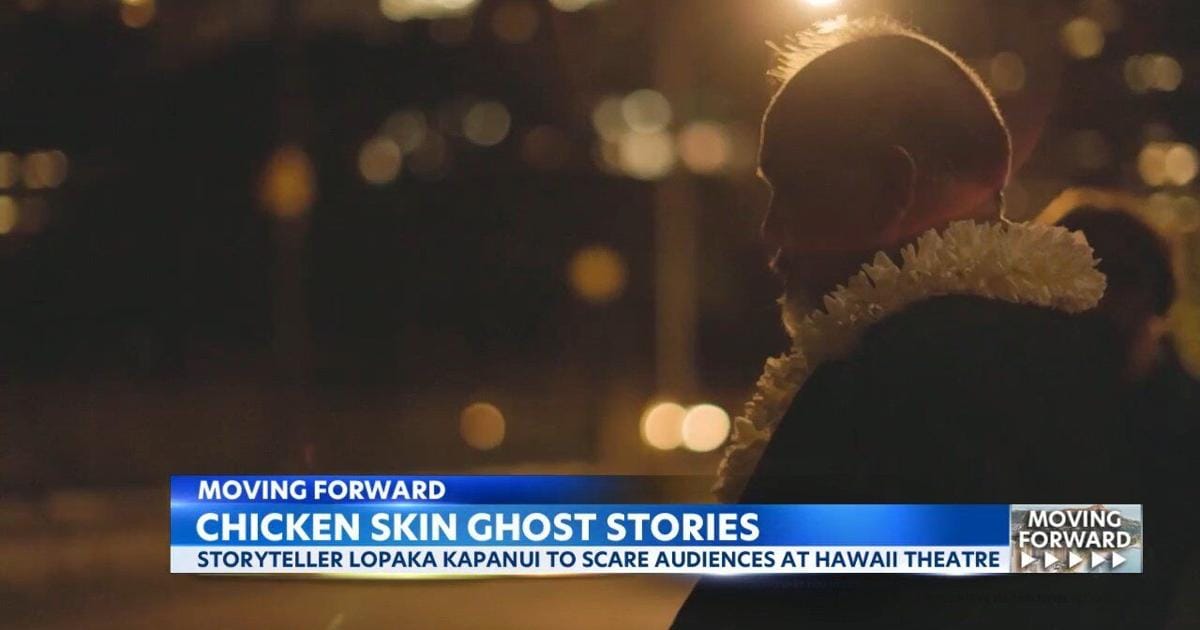
Native Hawaiian storyteller, Lopaka Kapanui, is moving forward with his Chicken Skin Ghost Stories on stage at Hawaii Theatre next week. http://tvne.ws/STBmG4
KITV4’S Maleko McDonnell reports local artists and performers are moving forward with a two night showcase of comedy, music, and poetry. http://tvne.ws/SSfnbX
ASome voices are technically proficient. Some are warm. Some are authoritative.
If you’ve spent 25 years in broadcast radio and television: morning and afternoon drive, live news, event announcing, telethons, race emceeing, you stop viewing your voice as just a tool and start seeing it as a relationship. It’s the connection between you and the audience. It either builds trust or it doesn’t.
Mine does.
What I Do
Radio & Television
Two and a half decades on-air at KITV4 and Star 101.9 means I’ve voiced everything from breaking news to commercial copy, live coverage to scripted promos. I know how to adapt to the format: breaking news is a different read than morning drive, and morning drive is nothing like a :30 radio spot.
Commercials & Promos
Local spots, regional campaigns, promotional reels. If you need a voice that sounds like Hawaii: warm, real, not trying too hard — that’s something I can deliver.
Event Announcing & Live Hosting
From the Honolulu Marathon start line to black-tie galas, I’ve been the voice in the room. Live events require something different from studio work: flexibility, presence, the ability to react. That’s a muscle I’ve been building for decades.
Corporate & Institutional
Training videos, internal communications, brand voice work. Not the most glamorous category, but it’s where clear, credible delivery matters most.
The Awards
I’ve won a Best Radio Personality award. I’ve been recognized with Pō’okela Awards — which are the Hawaii Actors’ Awards, for those outside the islands. These aren’t things I lead with, but they’re worth knowing: the work has been recognized by people in this industry and this community.
They also tell you something about staying power. Twenty-five years, still behind the mic.
Want to Hear What That Sounds Like?
If you have a project that needs a voice: commercial, promo, corporate, event, anything: I’d like to hear about it.
It’s been hours. The sun came up somewhere around mile 14, and it hasn’t gotten any kinder since. The crowd has thinned out since the elites crossed the line. But here comes a runner, not fast, not easy, grinding toward something they’ve been working toward for months. And the one thing between them and that finish line is a voice in the air saying: you’re almost there, keep going, we see you.
That’s the job. And I don’t take it lightly.
Race Announcing
I’ve had the privilege of calling the Honolulu Marathon, the Hapalua Half-Marathon, Iron Man Hawaii, and a string of other races that bring thousands of people to the streets of this island. Each one is different. The Honolulu Marathon alone draws over 30,000 participants from around the world. You learn to read a crowd, pace the energy across hours, and find the specific human moment in what could just be a logistical exercise.
Race announcing isn’t just narrating. It’s holding the emotional space for everyone in the field.
Beyond the Finish Line
The same energy carries into every event I host. I’ve emceed:
Nonprofit galas and fundraising events (Including auctions! Yes, I can move a crowd toward an open checkbook.)
Miss Hawaii — a storied, meaningful event that deserves exactly the right touch
Corporate conferences and award ceremonies
Community events across Oahu and the neighbor islands
The Philosophy
I’ve spent enough time in front of audiences to know the difference between a host who’s managing a room and one who’s genuinely in it with the people. I aim for the latter. You should be able to feel it in the room when it’s working.
The goal is always the same: connect, uplift, and leave people better than you found them.
I got my first radio job before I was old enough to know what I was doing. Lucky for me, the mic was forgiving.
That was over 25 years ago. Since then, I’ve spent more time on air than most people spend commuting, anchoring news at KITV4, holding down the afternoon drive at Star 101.9, hosting fundraisers, covering live events, and doing the thing I can’t quite explain except to say it feels like exactly what I’m supposed to be doing.
Television
KITV4 is where Hawaii watches the news. I got to be part of that — in the anchor chair, covering stories that mattered to the community, learning that good broadcasting isn’t about the voice, it’s about the trust. You earn it one story at a time.
Radio
iHeart Radio morning and afternoon drive. If you’ve ever had a commute in Honolulu, there’s a decent chance I was in the car with you. Morning radio is a specific skill — you’re connecting with people before they’ve had enough coffee, when they’re still half-dreaming and fully stressed. You learn to be human first and a broadcaster second.
The Telethon Moment
The one I’m most proud of didn’t happen on a regular broadcast day. During the early days of the pandemic, when Hawaii was on lockdown, I launched a weekly telethon for Hawaii’s First Responders. By the end of the first month, we had raised over $100,000 to supply PPE for our friends and neighbors who were battling Coronavirus first hand. That’s not something I take credit for. The community did that. But I got to be in the room, on camera, helping it happen. That’s what this work is actually for.
What I bring to a broadcast project:
Two and a half decades of professional experience means I’ve been in almost every situation the mic can throw at you. Breaking news. Live events with no script. Interviews that go sideways. Technical failures. I stay calm, I stay on-brand, and I stay on air.
There’s a version of communications work that’s about spin, shaping a story to protect the powerful. That’s never been the work I wanted.
The work I’ve done has been about giving voice to people who already have a story worth telling and making sure the right people hear it.
Leading Communications for Hawaii’s Public Workforce
For years, I’ve served as the communications director for one of Hawaii’s largest labor organizations, representing 13,000 public employees: teachers, first responders, clerks, custodians, the people who keep this state running. My job is to translate complex policy into plain language, to build campaigns that move people, and to make sure that when those workers need their message heard: in the legislature, in the press, at the bargaining table, it lands.
That’s not public relations in the abstract. That’s communications with real stakes. And I love every minute of it.
The iHeartMedia Chapter
Before the advocacy work, I was inside one of the largest media companies in the country. iHeartMedia gave me a ground-floor view of how media operates at scale — how brands are built, how audiences are built, how messages move across platforms. I took that framework into everything I did next.
What communications strategy actually means
A lot of people conflate communications with marketing or PR. They’re related, but they’re not the same thing. Strategy means knowing which story to tell, to whom, through which channel, and when to be quiet. It means building credibility over time, not just generating noise. It means your message survives contact with a skeptical audience.
That’s what I’ve been doing for 25 years in broadcasting, advocacy, event production, and the work I do today.
If your organization needs someone who can shape its message, train its spokespeople, or build a communications plan from the ground up,